The Black Keys Live 2026
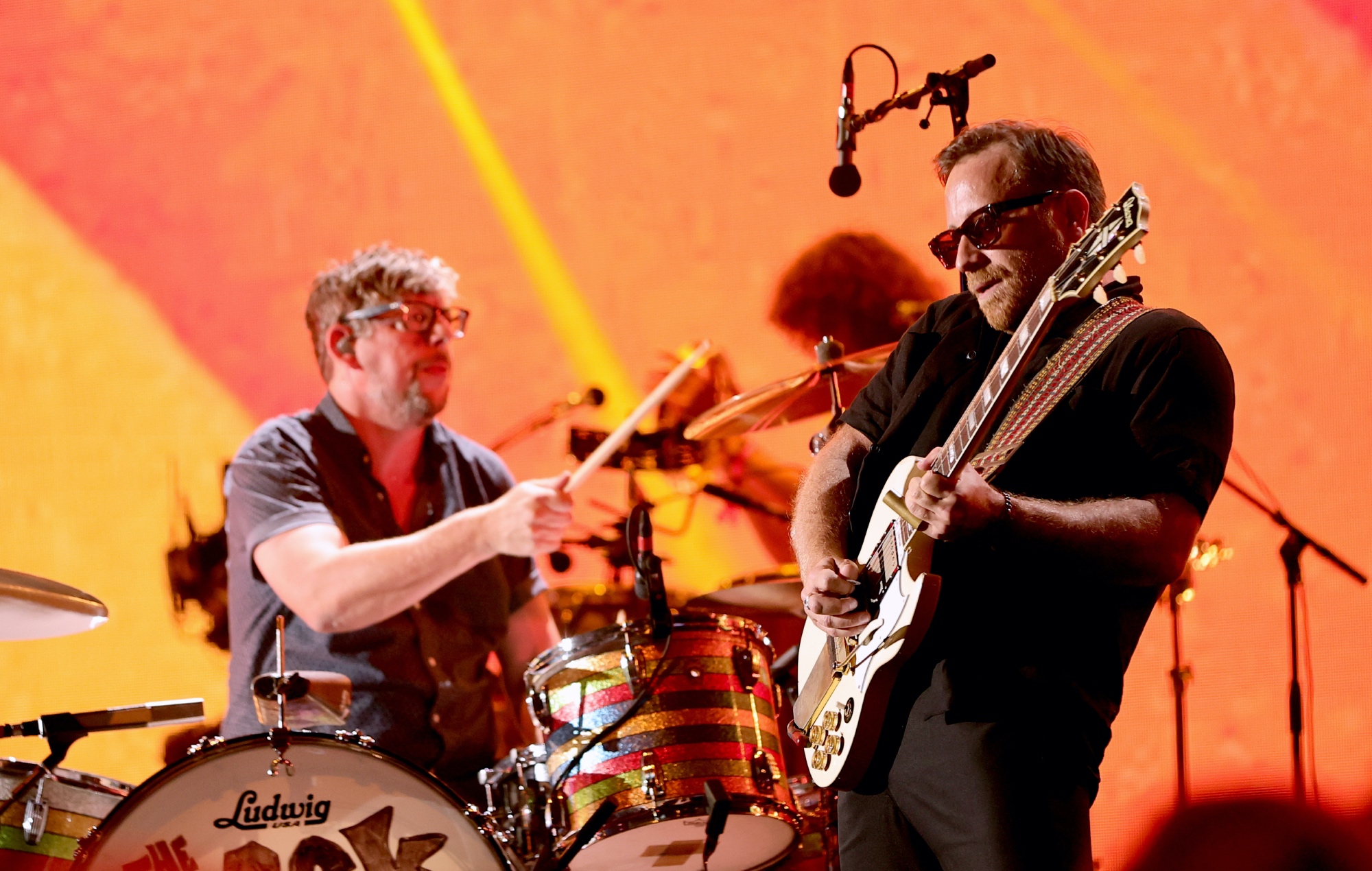
The Black Keys bring their raw, groove-driven blues rock to the stage on this current run, a live experience built on the sound that has defined the duo since their Akron, Ohio beginnings: Dan Auerbach's fuzzed-out guitar and vocals locked tight against Patrick Carney's pounding, stripped-down drums. Expect a room thick with atmosphere, where swampy distortion, slow-burning grooves, and sharp hooks move between gritty garage intensity and a smoky, soulful warmth. The crowd tends to be a broad mix of longtime listeners who came up with the early records alongside newer fans drawn in by the band's radio-friendly singles. Shows often feel communal and loud in the best way, with people singing along to familiar choruses and leaning into the heavier moments. The set usually moves at a steady, driving pace, favoring momentum over long pauses, so quieter, moodier passages land with weight before the tempo lifts again. What makes this run worth attention is its scope: it takes the band across a wide spread of cities and a mix of venue sizes, from intimate rooms to larger halls that amplify the full force of the arrangements. Each stop can feel distinct, which gives returning attendees a reason to see more than one night. Whether you are a lifelong follower or curious about what the band sounds like live, this tour offers a clear window into their sound. Take a moment to check the dates table below, find the stop nearest you, and secure your place before the room fills up.
Listen on Spotify
The Black Keys Tour Dates 2026
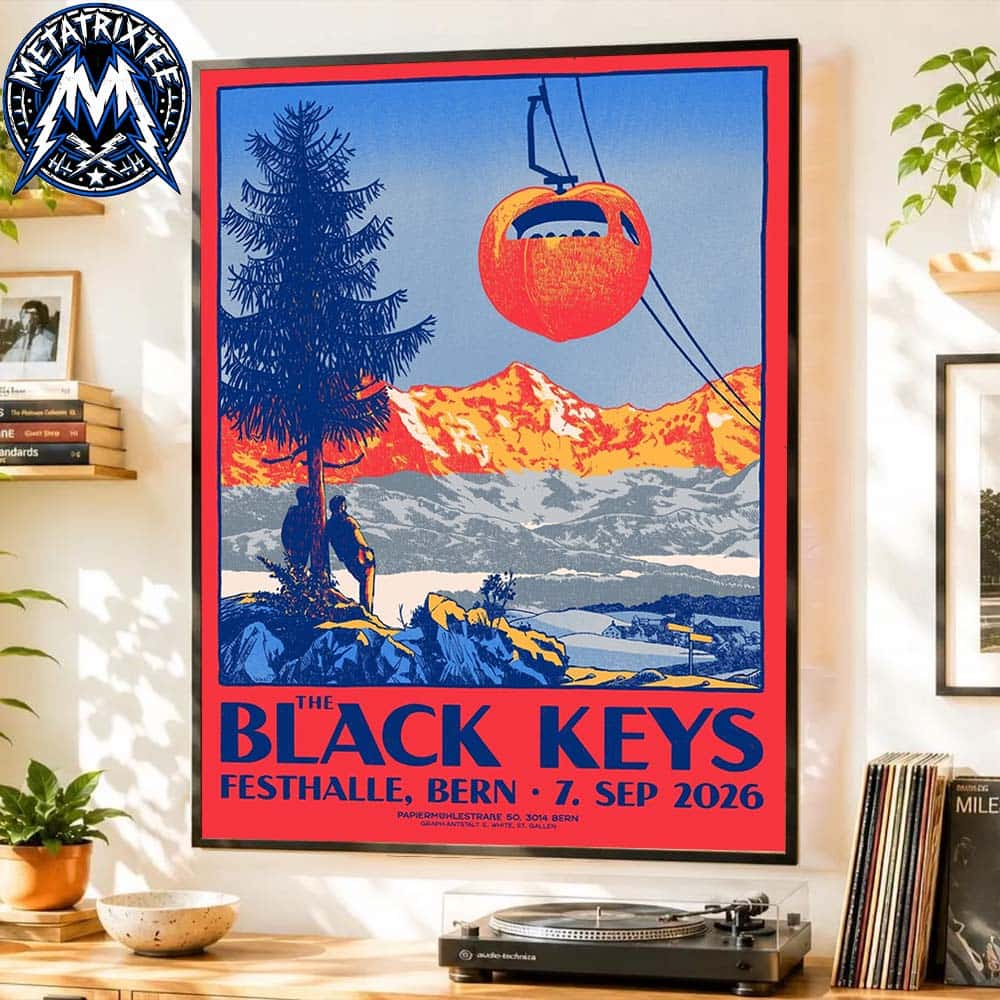
Tour Poster
Video
Photos
About The Black Keys
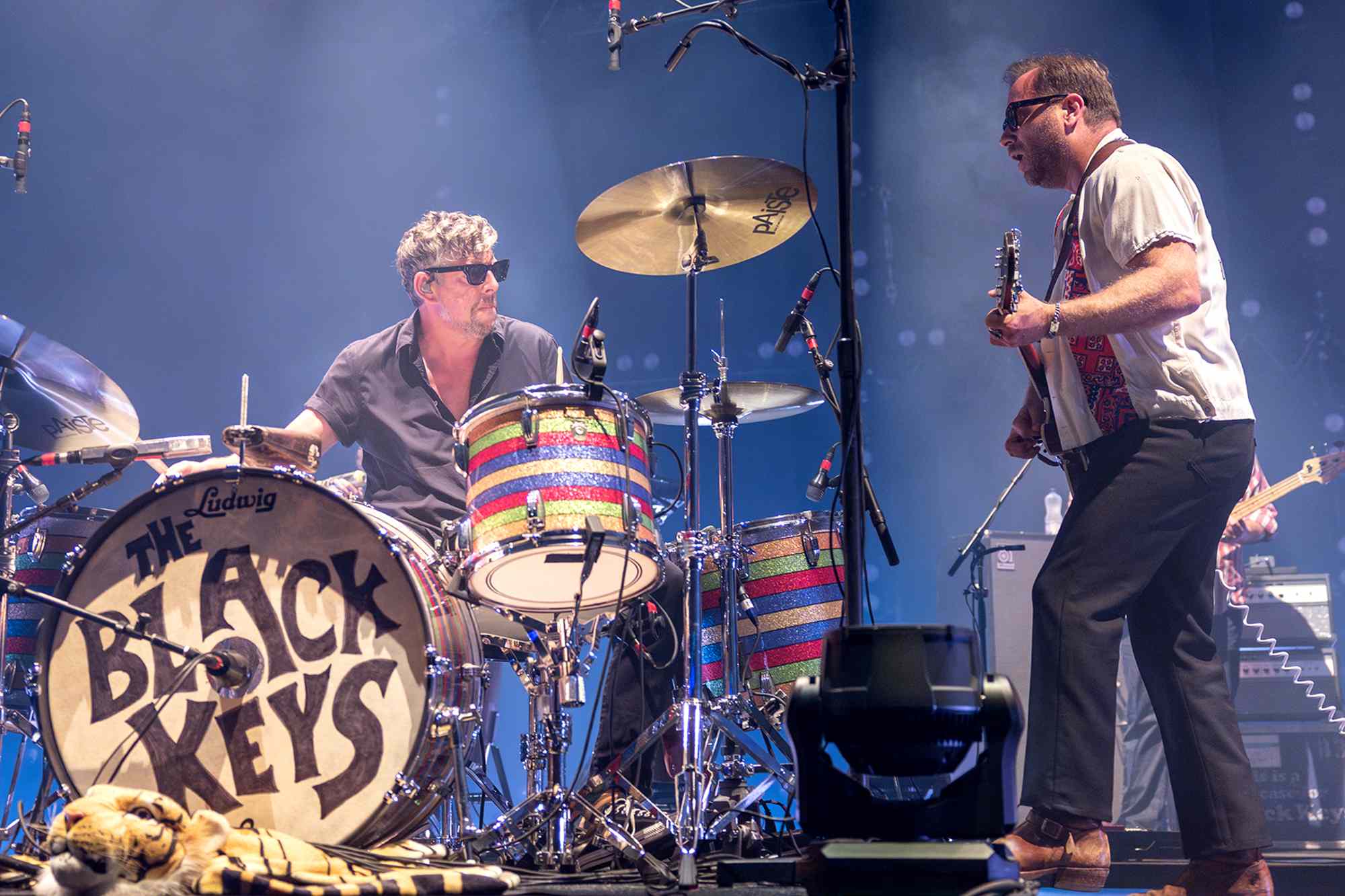
The Black Keys formed in Akron, Ohio, and have operated as a two-person band for most of their history, with Dan Auerbach handling guitar and lead vocals and Patrick Carney playing drums. Their early recordings were made with modest equipment and a deliberately rough texture, and that approach shaped the sound. Auerbach's guitar is typically overdriven and fuzzy, with riffs that draw on Delta blues and 1960s garage rock, while his voice carries a strained, soulful edge. Carney plays a stripped-down kit with heavy, loose backbeats that push the songs forward and leave plenty of space around the guitar. The result feels both primitive and carefully shaped, rooted in blues tradition but cut with the grit of raw garage records.
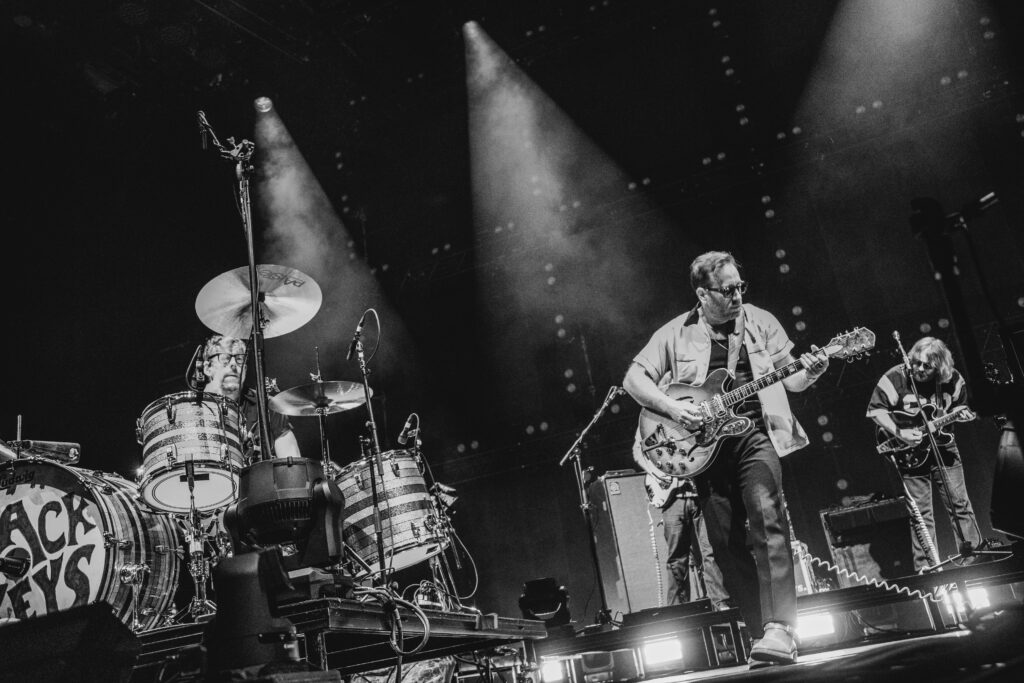
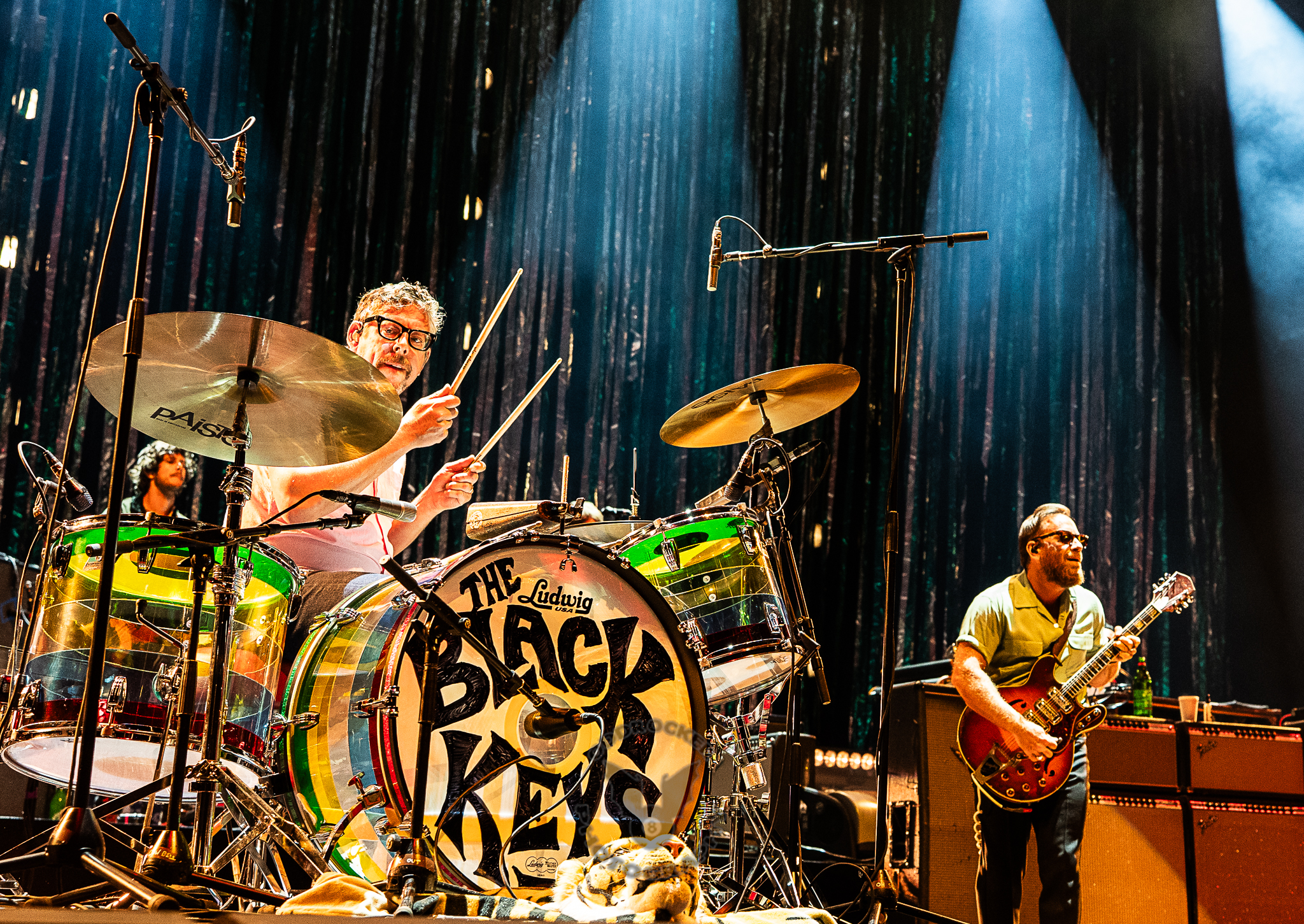
The current live show is built around the band's catalogue, and setlists tend to move between the rawer songs from early albums and the more polished tracks from later records. In recent years the duo has toured with additional musicians, which fills out the low end and lets the songs shift between sparse passages and fuller arrangements. The stage production is usually restrained rather than theatrical, with lighting that focuses on the players and an emphasis on the interplay between guitar and drums. Venue scale varies by tour, from theaters to large amphitheaters and arenas. The sound tends to be strongest in rooms where bass and drums can be felt clearly, so the size of the venue is worth considering when choosing a date.
Among the band's most notable records is Brothers, which included "Tighten Up" and "Howlin' for You" and brought the group wider attention beyond its earlier cult following. El Camino followed with "Lonely Boy," a song built around a driving, hook-heavy guitar riff that became one of the band's signature tracks and a regular fixture in their live sets. Both albums earned Grammy Awards. The band also worked with producer Danger Mouse on Attack & Release, a collaboration that brought more layered production and keyboard textures into their sound. Auerbach has additionally produced music for other artists through his Nashville studio, Easy Eye Sound, extending the band's influence into the wider roots and blues community.
The Black Keys sit within a lineage of American blues-rock and garage revival, and they are often compared with other guitar-and-drum duos of the same period. Their audience is broad. It includes longtime fans of classic rock and blues, listeners who first encountered the band through radio singles, and younger crowds drawn to garage and alternative rock. Listeners who enjoy loud, direct guitar music and tight, physical rhythm playing tend to get the most out of a live performance. Many concertgoers attend with friends or family, and it is common to see older fans who followed the early records standing alongside newer listeners who discovered the band through its later hits.
Headline sets commonly run from roughly ninety minutes to two hours, including an encore, though exact length depends on the venue's curfew and the tour's schedule. Openers are often regional or independent acts with a rock or blues slant, and arriving early is worthwhile for those performers. The room usually feels loud, physical, and communal, with crowds singing along to the biggest choruses and moving freely at general-admission shows. Seated venues often produce a more attentive atmosphere during the quieter blues passages. Door times, bag policies, and ticket transfer rules differ from venue to venue, so it is worth checking them before the date.
Readers planning to see the band can start with the upcoming dates listed below. Browsing the schedule makes it easier to compare venue sizes, check ticket availability, and find a show that fits your travel plans. Each venue listing carries the most current details on show times, openers, and ticketing, so those are the best place to confirm specifics before you buy.
FAQs
Where can I buy tickets for a Black Keys concert?
Tickets are usually sold through the band's official website, authorized ticketing platforms such as Ticketmaster, and the box office of the specific venue. Buying from official or authorized sellers helps you avoid counterfeit tickets. Be cautious of resellers who charge well above face value or ask for payment through unofficial channels.
How much do Black Keys concert tickets cost?
Prices depend on the venue, the city, the day of the week, and where your seat is located. Arena and amphitheater shows often have a range of price tiers, with floor and lower-bowl seats costing the most. Service fees and taxes are typically added at checkout, so the final amount may be higher than the listed ticket price. Check the event page for the exact pricing for your show.
Is there an age restriction for attending a Black Keys show?
Age policies are set by each venue and can differ from one show to another. Some venues admit all ages, while others require guests under a certain age to be accompanied by an adult or to have a ticket with a specific designation. Children may also need a ticket of their own, even if they will not occupy a separate seat. Review the venue's age policy and the event listing before you purchase tickets.
Are VIP packages available for Black Keys concerts?
VIP options, when offered, are typically sold through the official website or a designated ticketing partner. They may include premium seating, early entry, merchandise, or meet-and-greet opportunities, though what is included varies from tour to tour. Not every show offers VIP packages, and availability can be limited, so check the event page for the packages offered at your concert.
What is the refund policy if a Black Keys concert is canceled or postponed?
If a show is canceled, you are generally entitled to a refund, and the original ticketing platform or venue will usually process it automatically or provide instructions for requesting one. If a show is postponed, your existing tickets typically remain valid for the new date. Refunds for voluntary changes, such as being unable to attend, are usually not available unless the seller's policy specifically allows it. Fees may be nonrefundable, so read the terms at the time of purchase.
Live tour and ticket guide
This is an independent fan-made guide to live events and ticket listings. This website is not affiliated with, sponsored by, or endorsed by The Black Keys, any venue, or any ticket provider. We may earn a commission from ticket and hotel links at no extra cost to you.
Follow The Black Keys